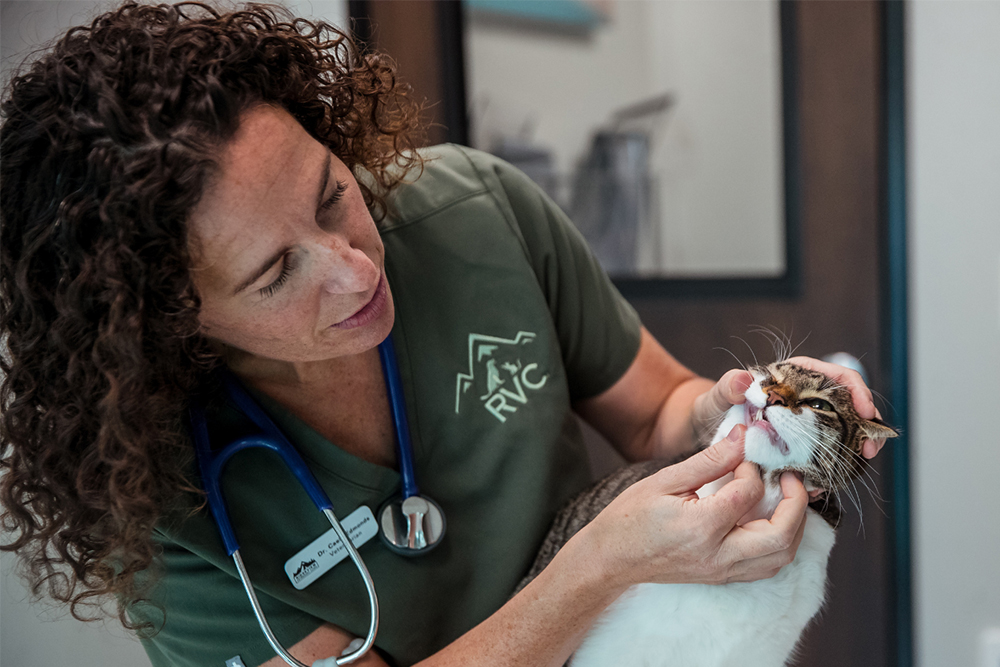
At Ridgeview Veterinary Clinic, dental care is a major strength of our practice, and this November we’re excited to share why. Our newest veterinarian, Dr. Heidi Talbott, spent the last several years in a dental-only practice, focusing exclusively on veterinary dentistry. That kind of day-in, day-out experience means she brings a level of skill and confidence to dental procedures that’s hard to match, and we’re thrilled to offer it right here in Central Oregon.
Why Dental Health Matters More Than You Think
A pet’s mouth is connected to the rest of the body. Plaque and tartar that build up on the teeth can lead to painful gum disease, loose or broken teeth, and infection. Bacteria from the mouth can also enter the bloodstream, which is why untreated dental disease is linked to problems with the heart, kidneys, and liver.
Because pets instinctively hide pain, many keep eating and acting normal long after their mouths have started to hurt. By the time owners notice something is wrong, the disease is often advanced.
Signs Your Pet May Need a Dental Evaluation
Keep an eye out for:
- Persistent bad breath
- Yellow or brown buildup on the teeth
- Red, swollen, or bleeding gums
- Drooling more than usual
- Dropping food, chewing on one side, or avoiding hard food and treats
- Pawing at the face or rubbing the mouth on furniture
- Loose, broken, or missing teeth
- Changes in behavior, such as irritability or reluctance to be touched around the head
Any of these is a good reason to schedule an exam. You don’t have to wait for a yearly visit.
What a Professional Dental Cleaning Really Involves
A true dental cleaning is much more than a surface polish. A thorough dental procedure under anesthesia allows us to:
- Examine every tooth and the gum line closely, including the areas you can’t see
- Take dental X-rays to evaluate the roots and the bone below the gum line, where much of the disease hides
- Clean above and below the gum line to remove plaque and tartar
- Treat painful or diseased teeth, including extractions when needed
- Monitor your pet closely from start to finish
Anesthesia is what allows for a complete, safe, and pain-free procedure, because pets can’t hold still for the careful work that proper dental care requires. Before any procedure, we’ll talk through your pet’s health history and any pre-anesthetic testing that’s recommended so you know exactly what to expect.
Meet Dr. Heidi: Years of Dental Focus, Now Caring for Redmond Pets
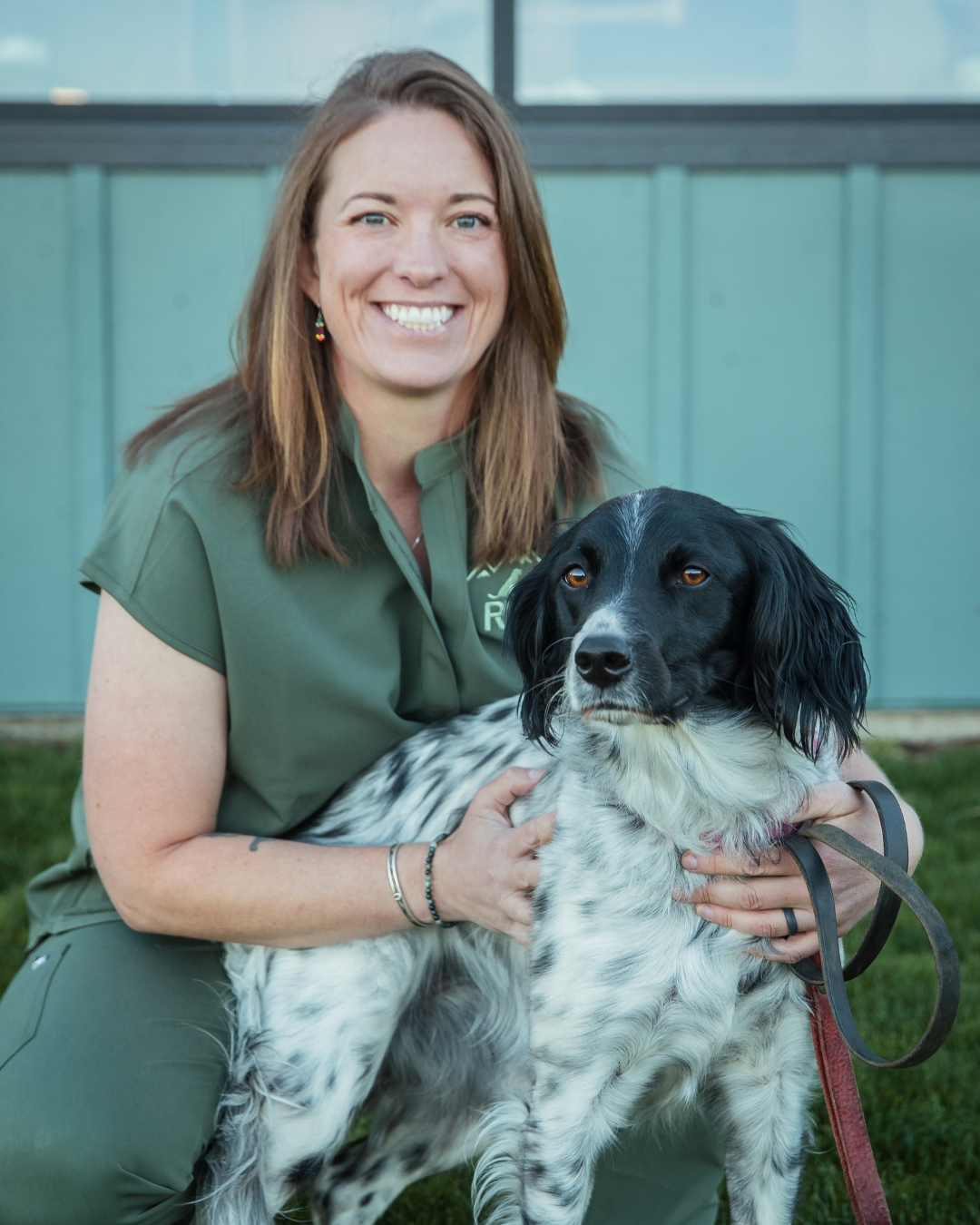
Dr. Heidi graduated from Washington State University’s veterinary program in 2015 and joins Ridgeview at the end of October. After years of performing dentistry exclusively, she has seen just about every kind of dental case, from routine cleanings to complex extractions. Pet owners in Redmond now have access to that depth of experience without having to travel for it.
If your pet has been putting off a dental visit, or you’ve been wondering whether those bad-breath kisses are something to worry about, this is a great time to find out
Keeping Teeth Healthy Between Visits
Professional care works best alongside good habits at home:
- Daily tooth brushing with pet-safe toothpaste is the gold standard
- Dental chews, diets, and water additives can help, and our team can point you toward options that are well regarded for plaque and tartar control
- Regular exams so we can catch changes early
Never use human toothpaste on pets, and avoid very hard chews like bones and antlers, which can fracture teeth.
Schedule a Dental Evaluation Today
Healthy teeth mean a healthier, more comfortable pet, and we’d love to help yours get there. To schedule an appointment, book online or call us at (541) 524-5837. Learn more at ridgeviewvetclinic.com.